🌍 GRT Relay Since 2003 ⭐ 23+ Year Industry Experience ✓ Verified Elite Supplier
 ✓ Verified Elite Supplier ✓ Verified Elite Supplier
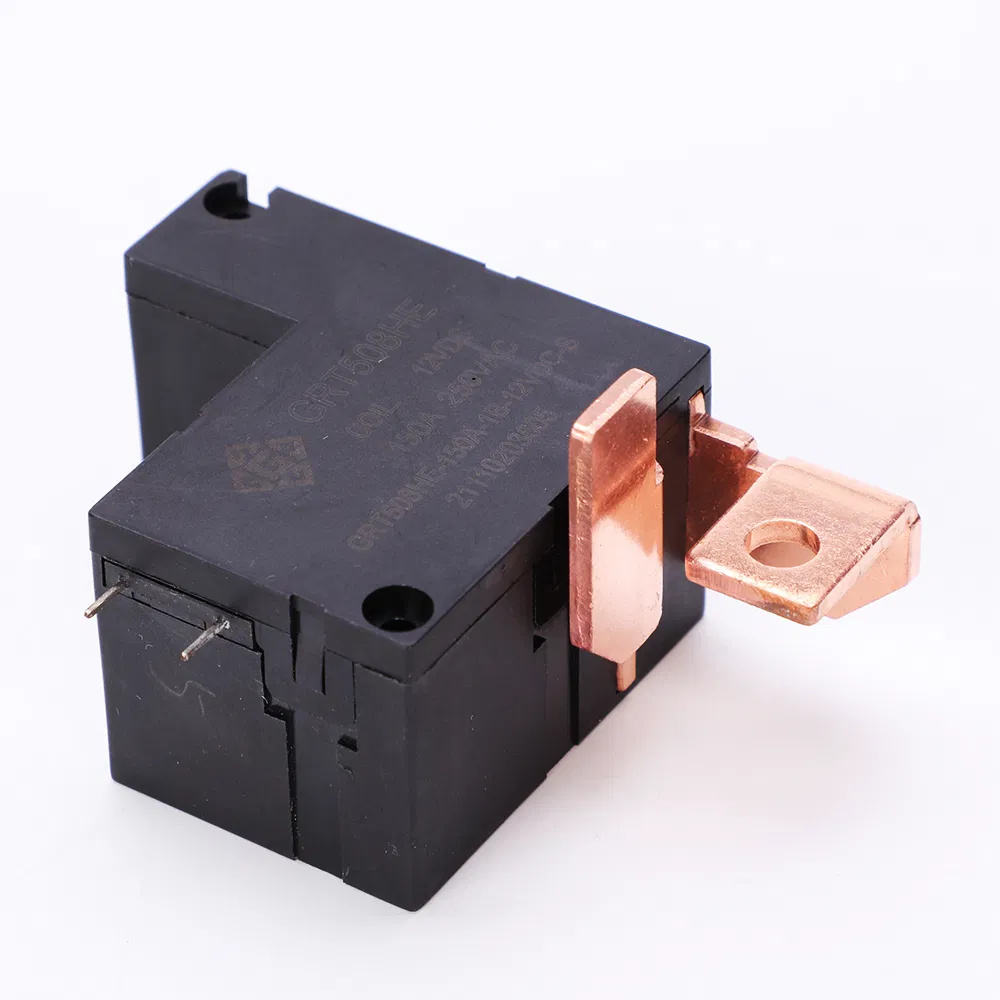
A ranked guide to the three custom latching relay assembly options GRT Relay supports for meter integration — integrated shunt, copper strap and flexible wire — ordered by integration depth, with the selection criteria, verification items and certificate evidence a meter buyer should check before approval.
2026-11-26 05:20:09

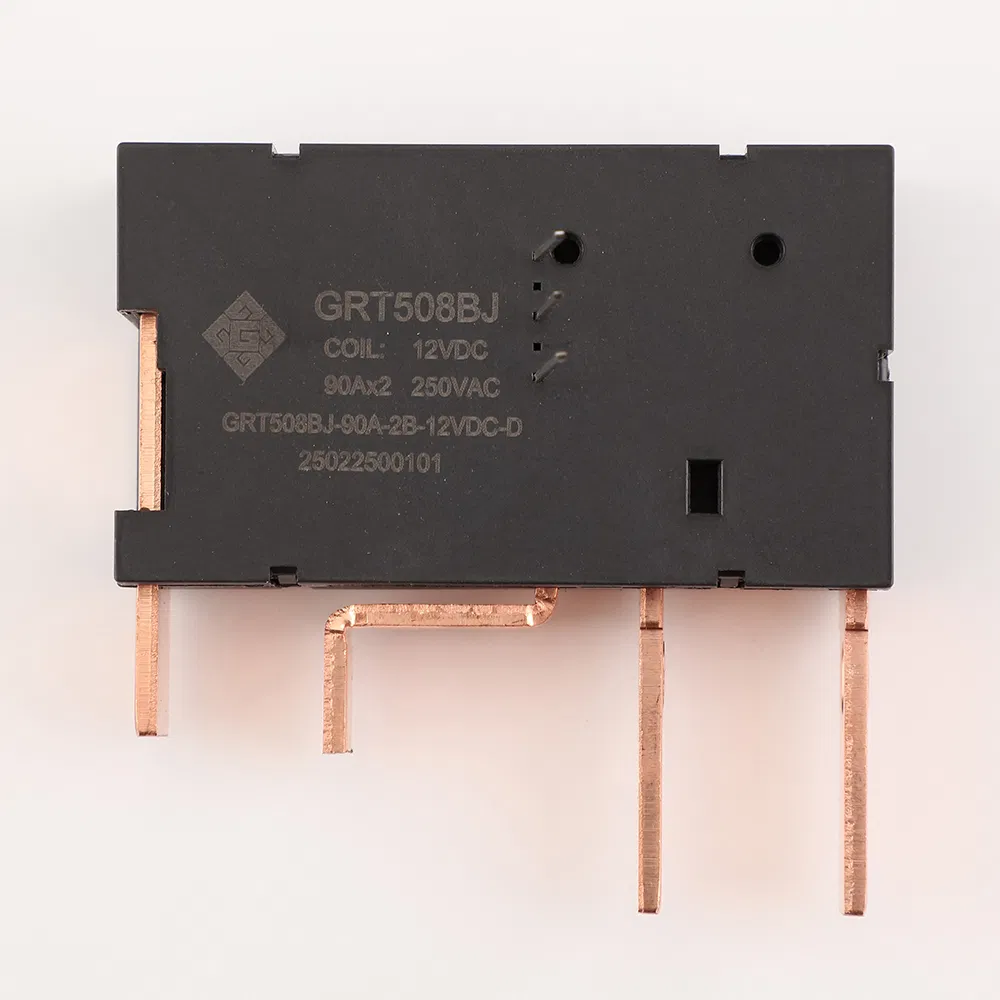
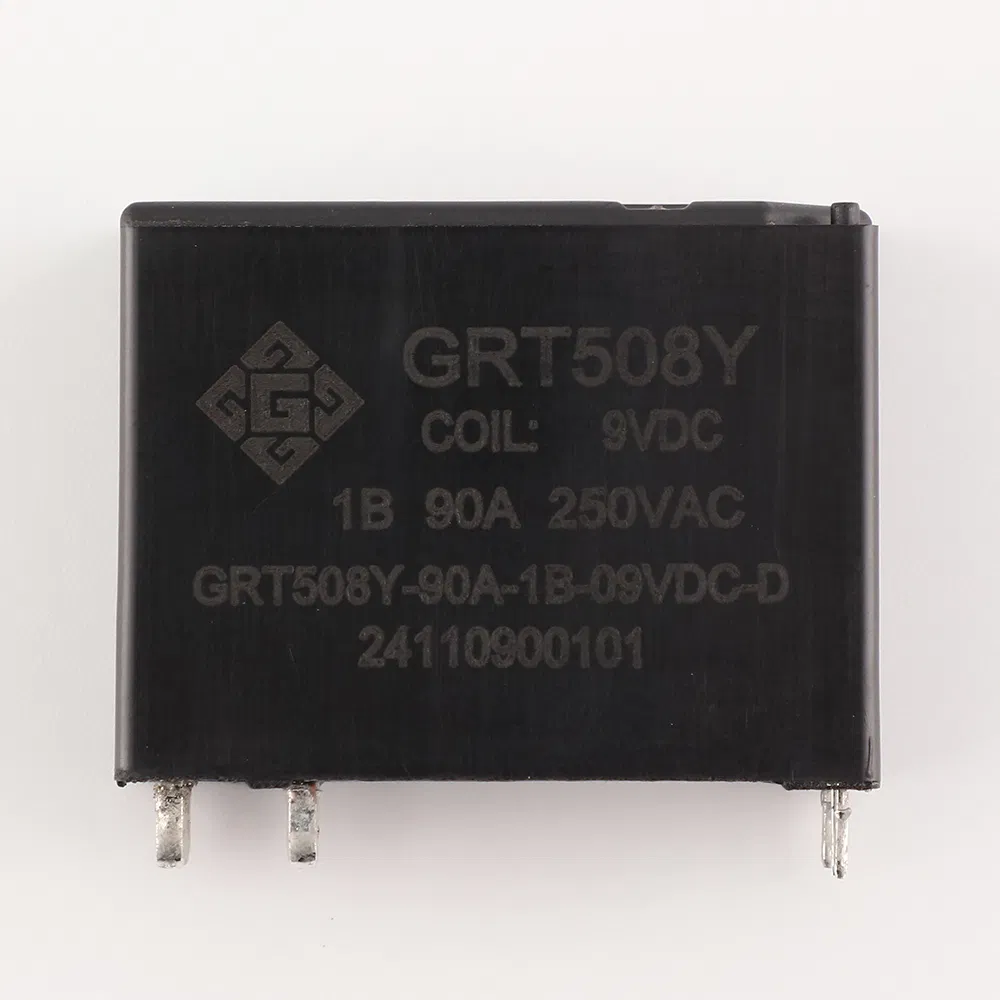
A decision guide for meter builders comparing three latching relay integration paths: the PCB-soldered GRT508BJ (2-pole, 90 A resistive switching, 38 × 30 × 16.5 mm), fast-connect GRT508BV and GRT508BW (80 A resistive, 250 VAC, 5–24 VDC coil, different terminal and envelope choices), and custom assemblies with flexible wire, copper straps or an integrated shunt. Compares current path, envelope, assembly readiness, RoHS documentation and IEC 62055-31 utilization-category verification.
2026-11-23 07:34:00
A partner-focused FAQ for meter buyers evaluating GRT latching relays over multi-year programs. It covers purchasing terms, acceptance criteria, custom assemblies, and documented RoHS / IEC 62055-31 UC2 compliance for smart meter, prepaid meter and smart home switching.
2026-11-20 07:06:18
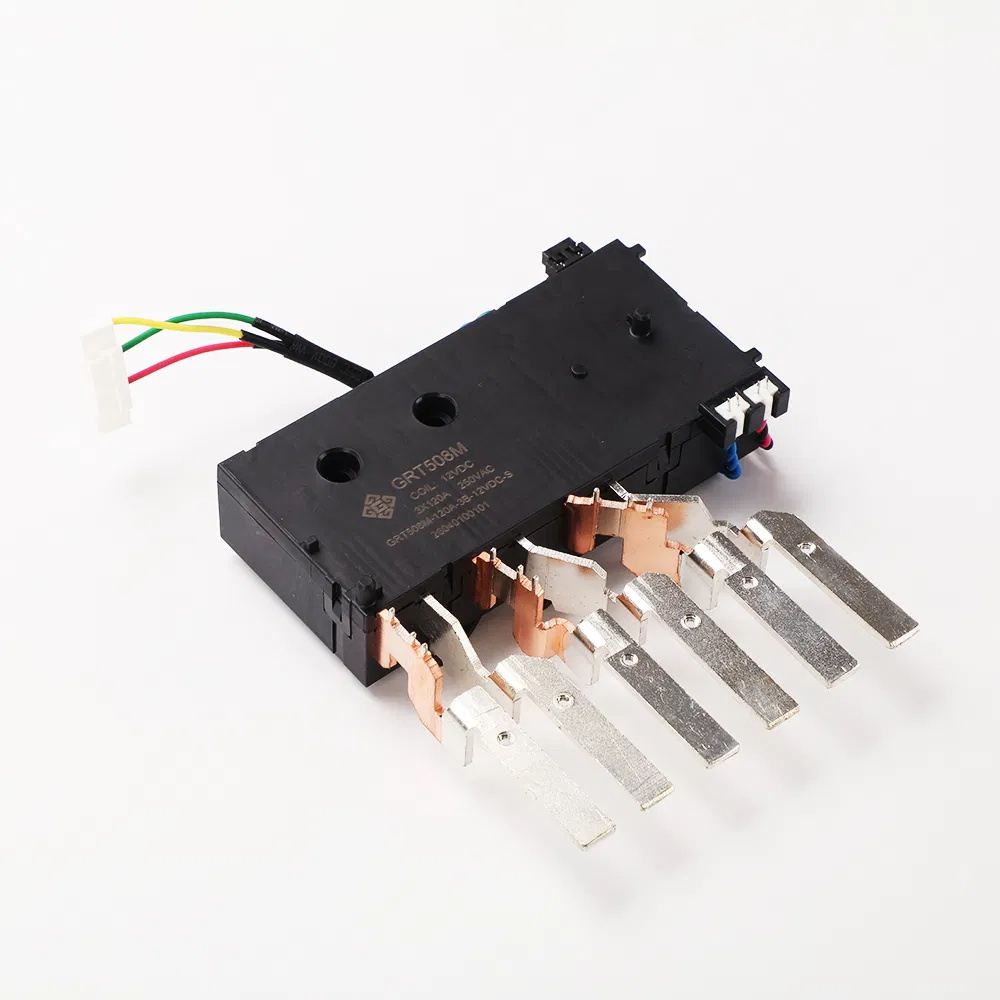
Smart meter and prepaid meter designs that use a separate shunt and relay pay for it in board space, extra current-path joints and additional assembly and test steps. This article explains how custom latching relay assemblies from GRT Relay — supplied with an integrated shunt, flexible wire harness or copper straps — change that layout equation, using published ratings such as 90 A resistive switching, 250 VAC maximum switching voltage, AgSnO2 contacts, 4 kV coil-to-contact dielectric strength, RoHS and IEC 62055-31 UC2 compliance, and shows how to specify, sample and verify such an assembly.
2026-11-17 05:18:00
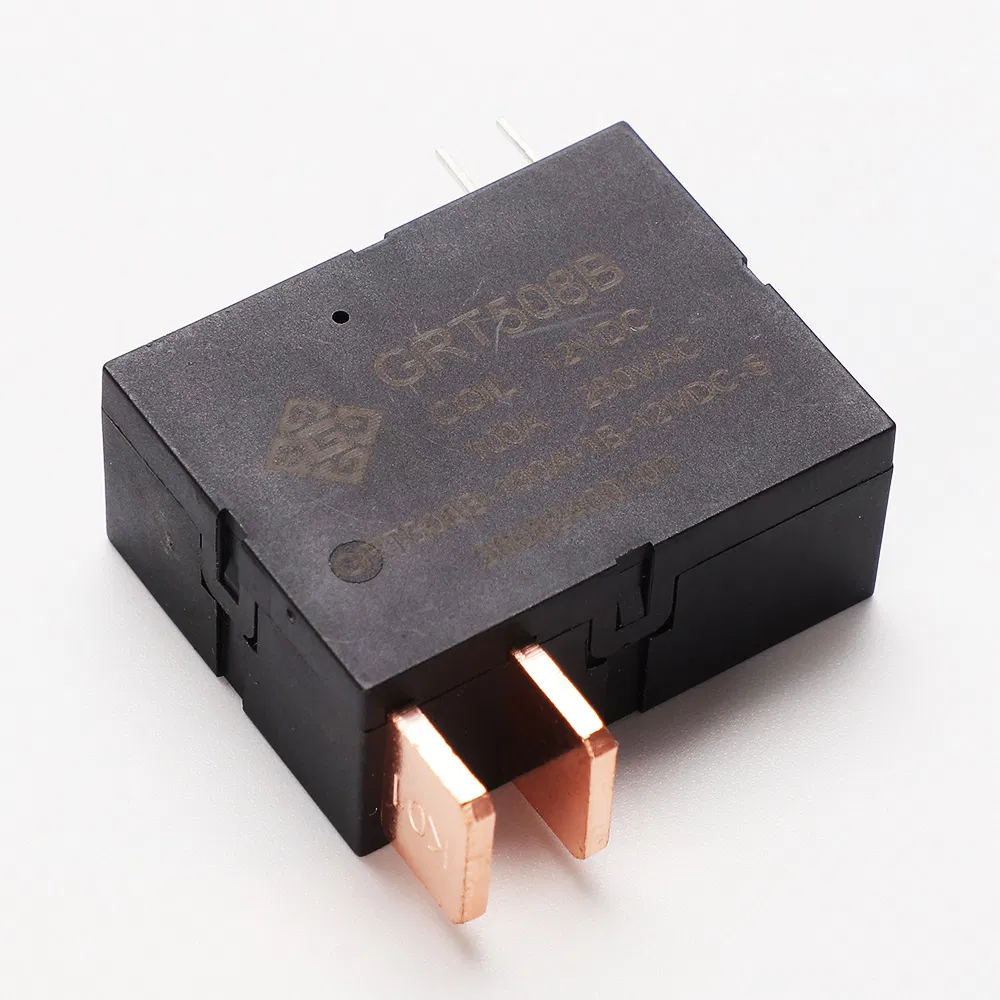
A basic explainer on latching relay dielectric strength: what 4 kV coil-to-contact isolation means, how to read it on a datasheet, and how smart meter buyers verify it.
2026-11-11 09:21:13
Integrated vs separate shunt in custom latching relay assemblies: part count, assembly steps, qualification scope and supply risk for smart meters.
2026-11-08 07:09:53
Evaluate latching relay suppliers with a meter-specific framework: model coverage for GRT508BJ, GRT508BG, GRT508BV and GRT508BW, PCB and fast-connect options, IEC 62055-31 UC2 and RoHS evidence, purchasing terms and acceptance criteria.
2026-11-05 07:24:05
A buyer's compliance guide to IEC 62055-31 UC2 and RoHS on meter latching relays, using the GRT508 90 A models to show how to tie claims to model numbers, AgSnO2 contacts and 4 kV dielectric strength.
2026-11-02 06:17:38

Application guide to specifying latching relays for prepaid meter load switching: ambient temperature, load type, termination and assembly integration, with GRT508BJ (90 A, 2-pole) and GRT508BW (80 A, fast connection, 55.6 × 30 × 16.5 mm).
2026-10-30 05:30:20
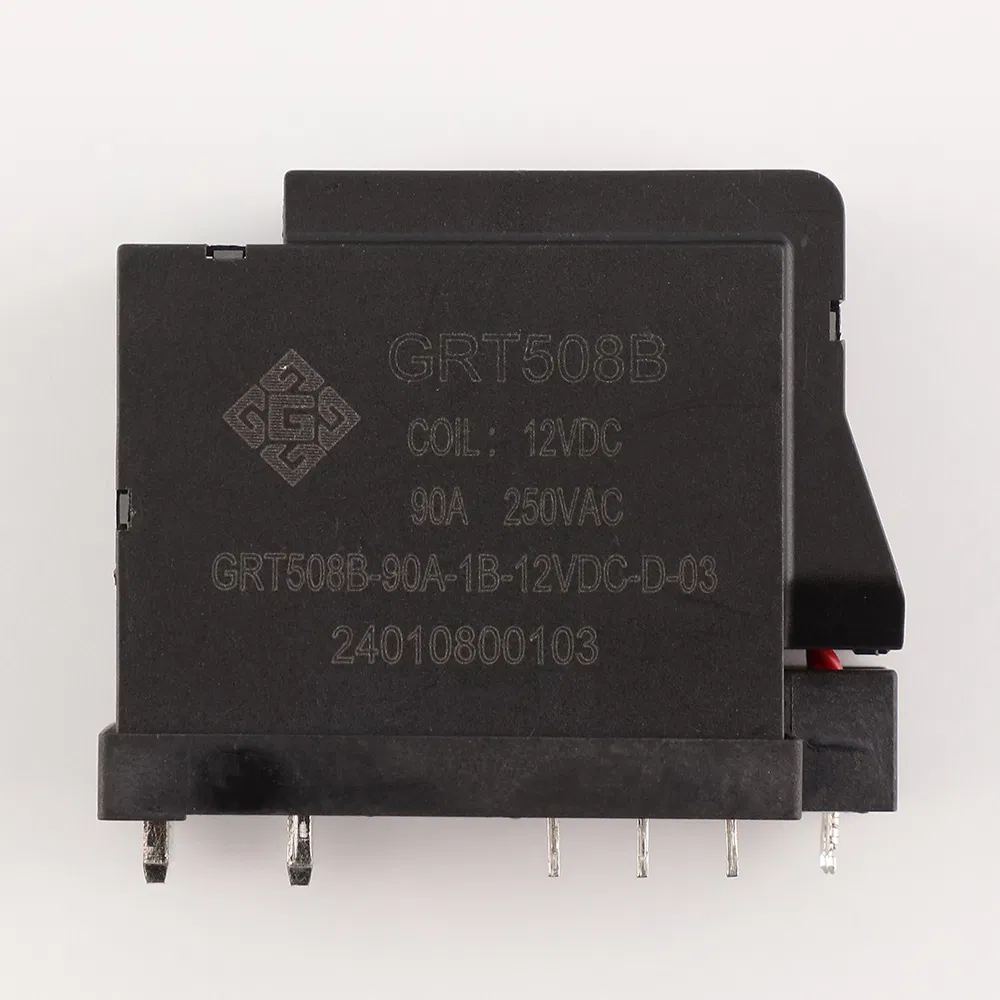
Compare GRT508BG (1-pole, 90 A, PCB, 38 x 30 mm) with GRT508BJ, GRT508BV and GRT508BW (2-pole, 80-90 A) on rating, footprint, coil and IEC certification evidence.
2026-10-24 05:20:35
A practical guide to latching relays: how bistable relays hold state without coil power, the main types, selection criteria, GRT models and verifiable certifications.
2026-10-21 14:56:27
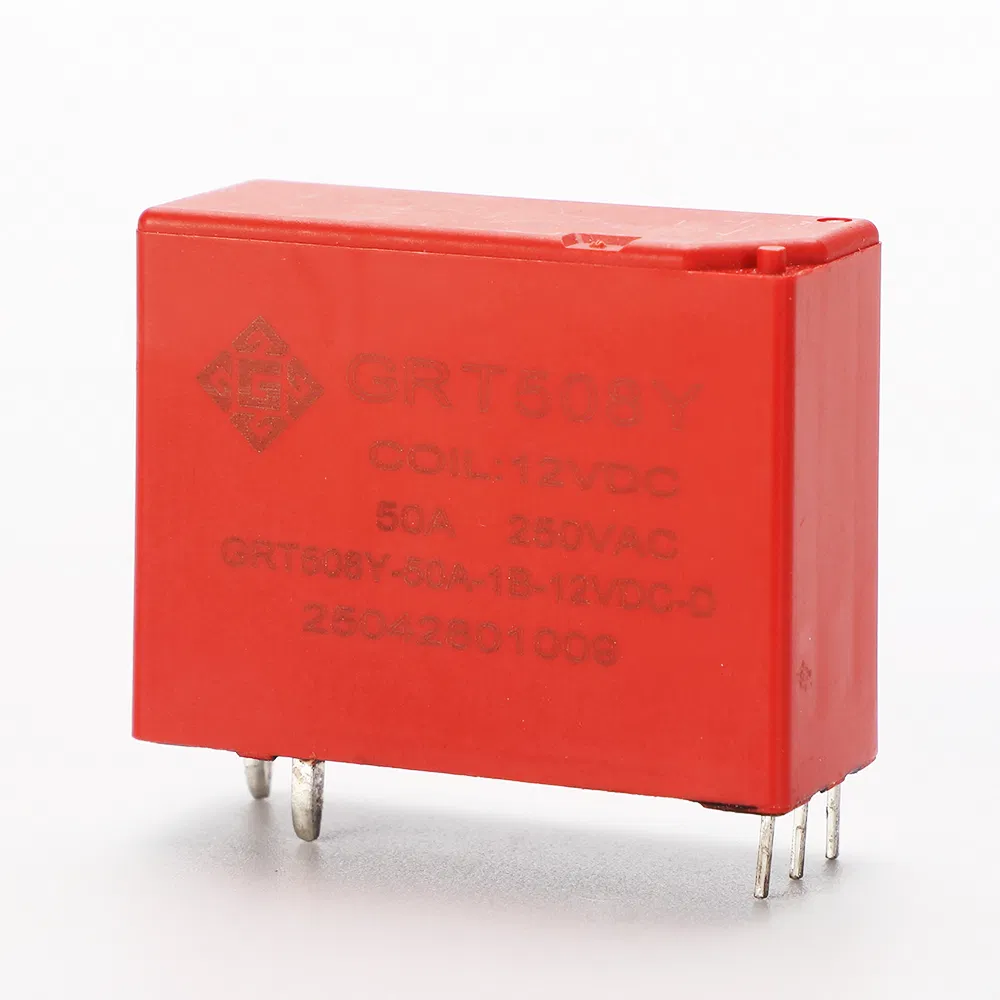
A practical latching relay guide for buyers: how bistable relays work, which datasheet specs decide fit, and how to verify certification and manufacturer capability.
2026-10-21 14:56:08
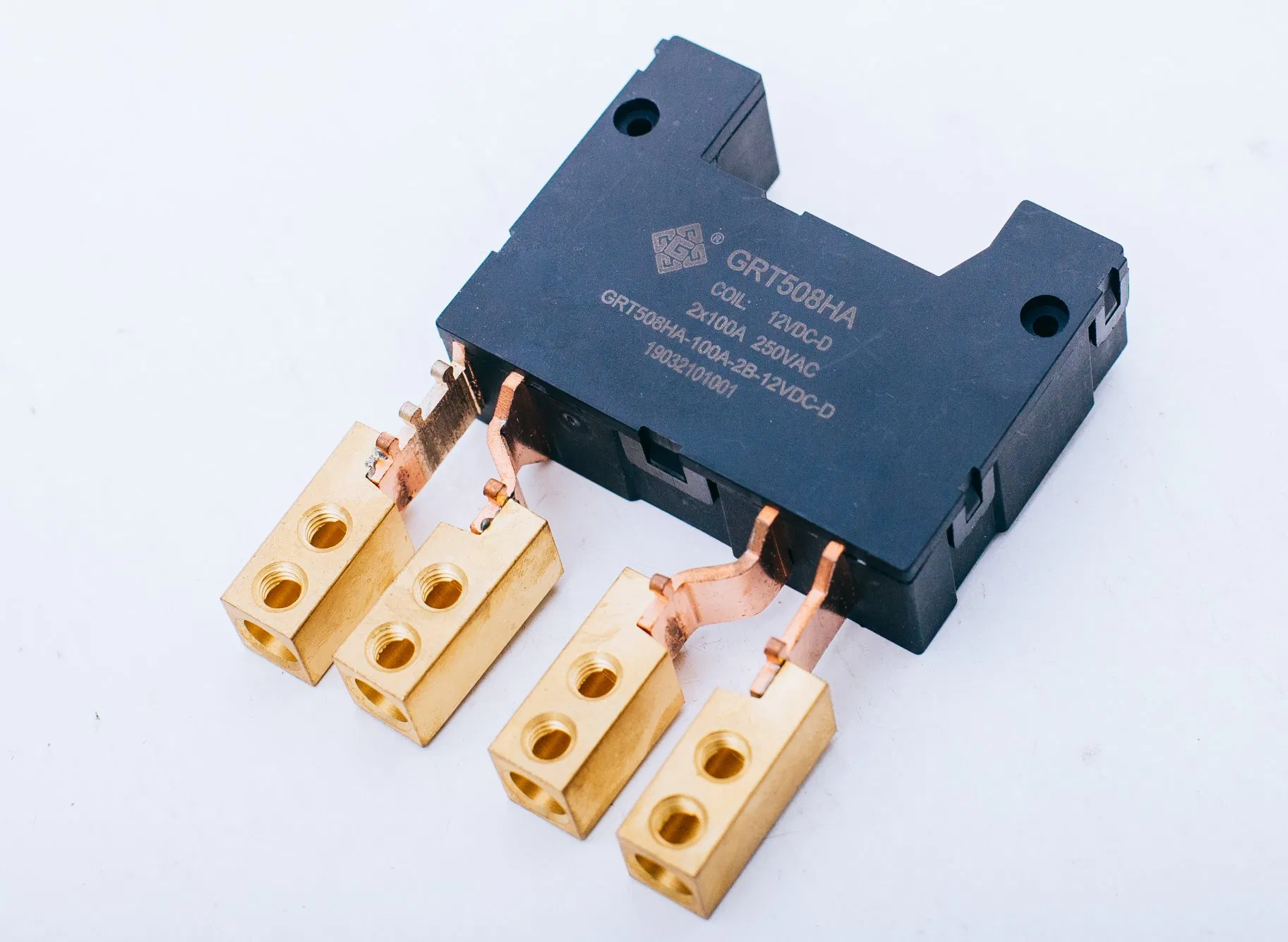
Learn how latching relays hold state without continuous coil power, the standards that govern metering use, and how to specify 20 A to 150 A models with documented certification evidence.
2026-10-21 14:55:49
What a latching relay is, how pulse-driven bistable operation works, which specifications decide selection, and how GRT Relay's one-, two- and three-pole latching relay families compare.
2026-10-21 14:55:29
Understand what a latching relay is, how magnetic latching works, and how to specify single-phase, three-pole, PCB or high-current models for metering and power switching.
2026-10-21 14:55:07